
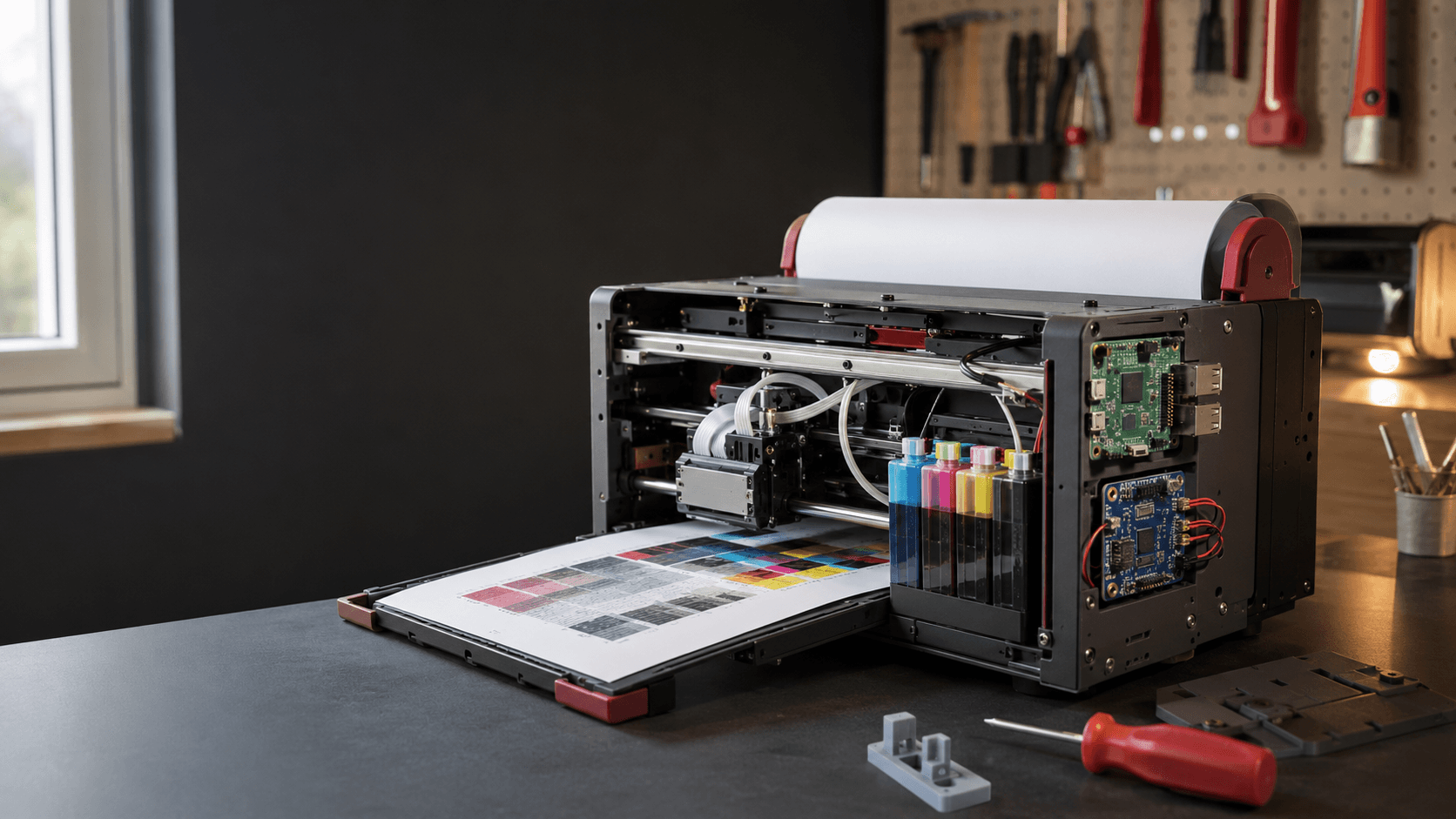
Printers are among the least loved devices in the home: proprietary drivers, blocked cartridges and parts that are difficult to replace can turn a minor fault into a complete replacement. Open Tools, a Paris-based team, is taking the opposite approach with Open Printer, a compact inkjet designed around repairability, refillable ink and documented hardware.
The project has now shown a working prototype and published a detailed technical outline. That is an important step, but it is not yet a finished retail product: price, print speed and a confirmed shipping date remain unknown.
A printer built to be understood
Open Printer uses a Raspberry Pi Zero W as its main computer and an STM32 microcontroller for cartridge control. Printing is handled through CUPS, the established open-source print server, with stated compatibility across Windows, macOS, Linux, Android and iOS.
The planned connections include USB-C, USB-A, Wi-Fi and Bluetooth 4.1. The machine can sit on a desk or be mounted on a wall, an unusual layout made possible by its long, shallow format.
Refillable cartridges and flexible paper handling
For Europe, the design is based on HP 302 and 302 XL printhead cartridges. Open Tools says black and colour cartridges can be used independently and refilled, avoiding the familiar situation where an empty colour cartridge blocks black-only printing.
The paper system is more ambitious than that of a conventional home printer. Alongside A4 and A3 sheets, the project supports a 297 mm paper roll and an integrated cutter for banners, strips and custom lengths. The stated resolutions are 600 dpi in black and white and 1,200 dpi in colour; printing speed is still to be defined.
What does open source mean here?
Open Tools plans to publish the mechanical and electronic design files, firmware and bill of materials under the Creative Commons BY-NC-SA 4.0 licence once the final design is stable. Standard mechanical components and 3D-printable plastic parts should make maintenance easier, while the electronic boards are intended to remain available through distributors.
The non-commercial clause matters: people may study, repair and modify the design, but commercial reuse is restricted. The project also mentions patent and design protection. Open Printer is therefore an open and repair-oriented product, but not a design that another company can freely manufacture and sell.
The questions that still need answers
A convincing prototype does not yet tell us the total cost of ownership. The eventual purchase price, real-world speed, cartridge refill procedure, print quality, cleaning cycles and long-term availability of compatible cartridges will decide whether the project can compete with conventional ink-tank printers.
The dependence on HP-format cartridges is pragmatic because the printhead is integrated and widely distributed, but it remains an external dependency. We will also need to see how networking, ink-level management and software updates work in everyday use.
HomeSpecLab’s view
Open Printer is one of the most interesting attempts to apply maker values to an everyday appliance. Its modular construction, CUPS support and refill strategy address real consumer frustrations. For now, however, it should be treated as a promising project rather than a buying recommendation.
The next milestones to watch are the crowdfunding terms, final price, measured print speed, availability of the design files and independent print-quality tests.
Sources
Official project: https://www.opentools.studio/
Technical project page and June 2026 update: https://www.crowdsupply.com/open-tools/open-printer
Related products
Products that match this story.
Use these cards as a practical starting point after reading a guide or using a calculator. Check capacity, power, features and price before opening the merchant page.
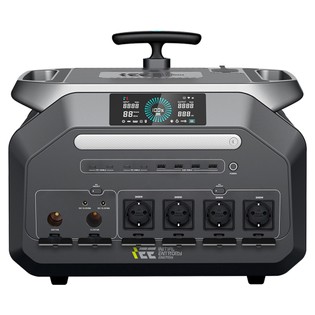 premium
IEETek
IEETek P2400 2048Wh Portable Power Station
2048-2048 Wh
- capacity wh: 2048 Wh
- max output watts: 2400 W
High-capacity 2048 Wh LiFePO4 station with 2400 W pure sine wave output and solar input.
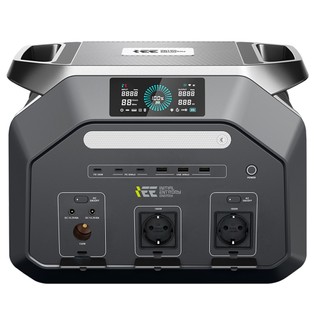 value
valueIEETek
IEETek P1800 1024Wh Portable Power Station
1024-1024 Wh
- capacity wh: 1024 Wh
- max output watts: 1800 W
1024 Wh LiFePO4 station with 1800 W pure sine wave output, fast charging and app control.
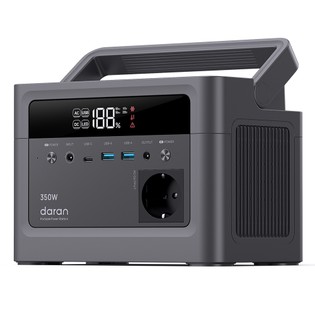 budget
DaranEner
DaranEner Cubus350L 288Wh Portable Power Station
288-288 Wh
- capacity wh: 288 Wh
- max output watts: 350 W
Portable 288 Wh LiFePO4 station with a 350 W pure sine wave AC output.
 budget
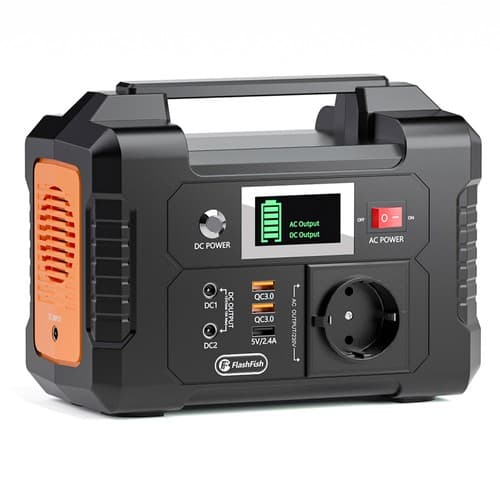
FlashFish
FlashFish E200 151Wh Portable Power Station
151-151 Wh
- capacity wh: 151 Wh
- max output watts: 200 W
Compact 151 Wh station with a 200 W AC output and multiple USB, DC and AC ports.
Related buying tools
Continue with the most relevant calculator or guide.
HomeSpecLab works best when calculators, buying guides and product picks reinforce each other. Use these links to move from sizing to shopping criteria.