
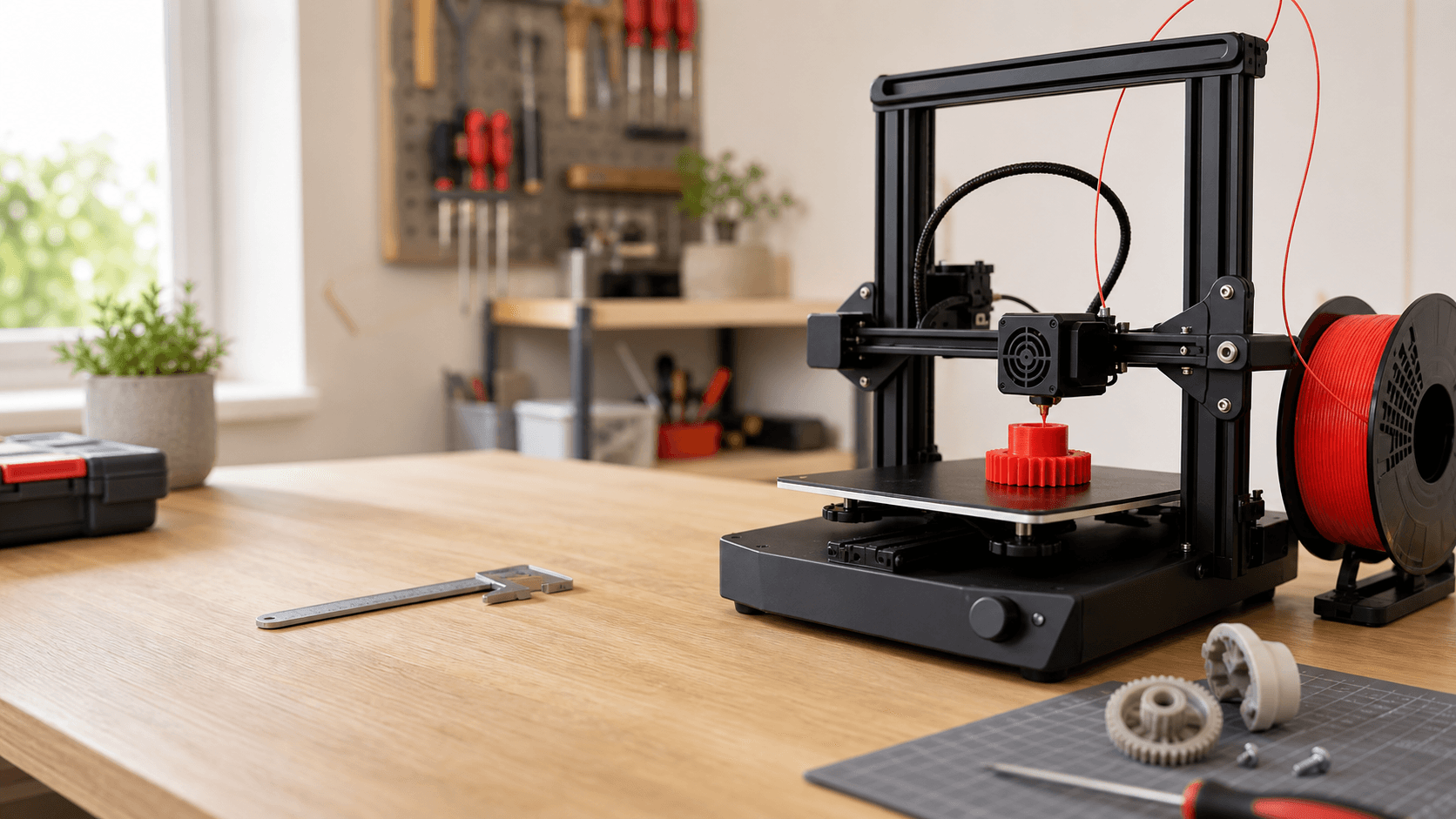
France is preparing to make 3D printing a more practical tool for repair. A draft decree notified to the European Commission would require manufacturers, in defined product categories, to help professional sellers and repairers recreate certain unavailable spare parts through additive manufacturing.
A repair idea that comes from the anti-waste law
The principle is not completely new. It follows the logic of France's anti-waste and circular economy law, which pushed manufacturers to support longer product lifetimes. The new step is more concrete: when a spare part is no longer available through normal channels, repair professionals could request either a 3D manufacturing file or the technical information needed to produce one.
In practical terms, this could matter for small plastic brackets, handles, covers, knobs, gears or protective parts that can make an otherwise usable appliance, vehicle accessory or electronic device impossible to repair. The goal is not to turn every household into a factory, but to give repair networks another option before a product is written off.
Many product families could be concerned
The draft points toward a broad list of goods: home appliances, lighting, furniture elements, DIY tools, sports equipment, electric bikes and mobility devices, cars, motorcycles, smartphones, tablets, computers, consoles, servers and electronic displays. If the measure enters into force as expected in 2027, products still sold at that time or launched afterward could fall into scope.
Useful, but not a magic shortcut
There are important limits. The mechanism is aimed at parts that are no longer commercially available, not at bypassing a spare part that the manufacturer still sells. It may also be blocked when 3D printing would create a safety issue or conflict with intellectual property rights. Price and access conditions will matter too: a file may not necessarily be free, and printing through a professional service still has a cost.
Why this matters for buyers
For HomeSpecLab readers, the interesting point is the shift in how we think about product ownership. A repairable product is not only one with a good warranty or a replaceable battery. It is also a product with documentation, parts access, standard fasteners and a design that can survive beyond the first broken plastic component.
3D printing will probably remain a specialist repair option at first. But for small non-critical parts, it could become one of the practical tools that helps appliances and home electronics last longer. When comparing products, repairability, spare-part availability and community documentation should increasingly sit next to price, power and performance.
Related products
Products that match this story.
Use these cards as a practical starting point after reading a guide or using a calculator. Check capacity, power, features and price before opening the merchant page.
 premium
Flashforge
Flashforge Adventurer 5M Pro
220-220
- advertised speed: 600 mm/s
- auto bed leveling
- enclosed frame
A more controlled enclosed-style choice to consider when discounts bring it near the 400 euro ceiling.
 budget
Anycubic
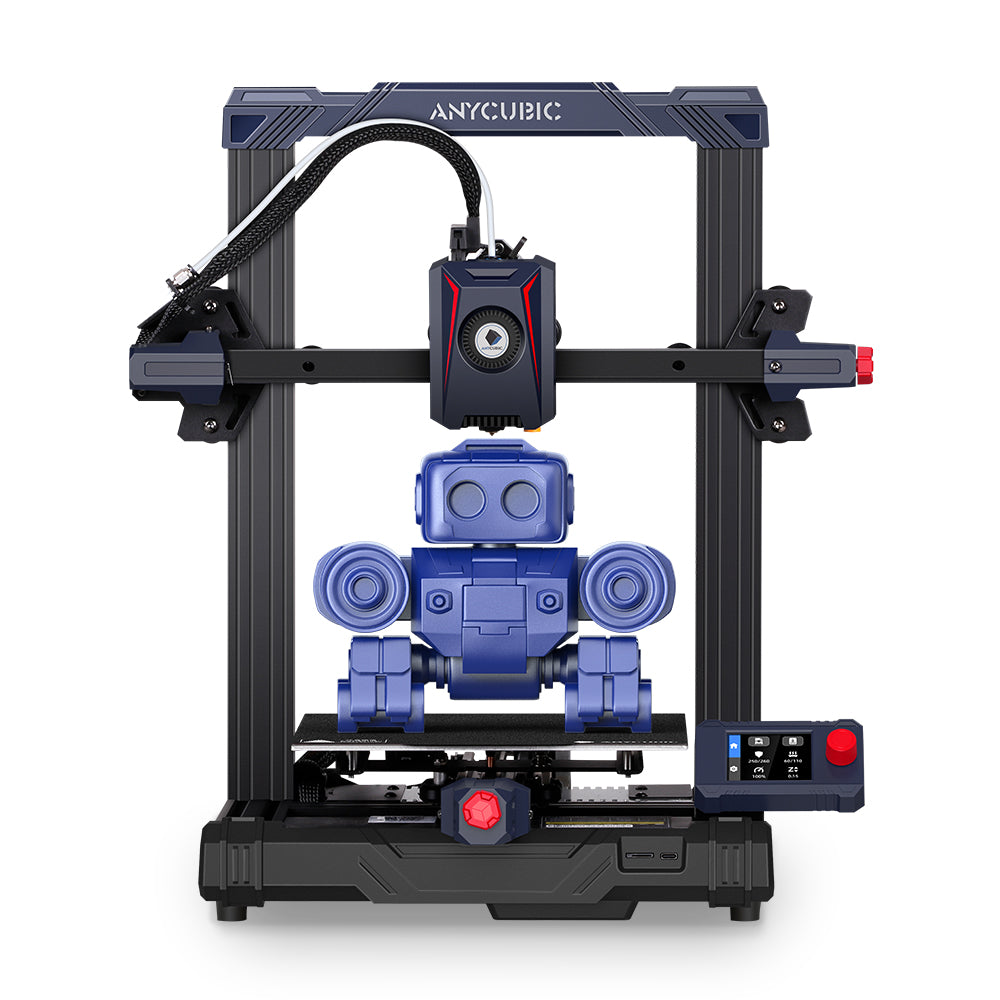
Anycubic Kobra 2 Neo
220-250
- advertised speed: 250 mm/s
- auto bed leveling
- beginner friendly
A budget-friendly FDM printer for buyers who want simple PLA printing without paying for premium extras.
Related buying tools
Continue with the most relevant calculator or guide.
HomeSpecLab works best when calculators, buying guides and product picks reinforce each other. Use these links to move from sizing to shopping criteria.